Our History
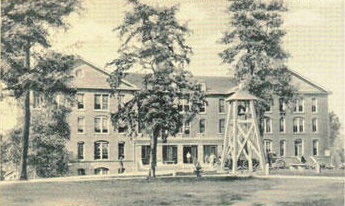
FROM A BOLD BEGINNING TO A LIVING LEGACY
Founded in 1881 and relocated to South Dallas (Highland Hills) in 1961, Bishop College stood for more than a century as a faith-rooted institution devoted to education, leadership, and opportunity. Although the college closed in 1988, its impact continues through alumni, community memory, and preservation efforts.
QUICK TIMELINE
* 1881: Bishop College established in Marshall, Texas
* 1957: Announcement/decision to relocate from Marshall to Dallas (planning stage)
* 1961: Bishop College opens in Dallas, Texas (Highland Hills area)
* Late 1960s–~1970: Enrollment growth and peak-era campus life in Dallas
* Dec 1986: Accreditation revoked by the Southern Association of Colleges and Schools (SACS)
* Apr 1987: Bishop files for Chapter 11 bankruptcy protection
* 1988: Bishop College closes
* 1990: The former Bishop College campus becomes the home of Paul Quinn College in Dallas
A BEGINNING ROOTED IN PURPOSE (1881)
Bishop College was established in 1881 in Marshall, Texas, during a period when African Americans faced enormous barriers to formal education. As a Baptist-rooted institution created to serve Black students, Bishop College represented something rare and powerful in Texas: a sustained commitment to higher learning, faith leadership, and preparation for service.
From the start, Bishop College stood for:
* Education as opportunity
* Faith as foundation
* Leadership as responsibility
THE MARSHALL ERA (1881–1961)
For decades, Bishop College’s campus in Marshall educated students and built a reputation as a respected institution for African-American students. Over time, Bishop’s identity formed through its academic instruction, campus traditions, and community ties—especially through church-connected leadership development.
A note on why Marshall matters
Even though many people most strongly remember Bishop College as “the Dallas HBCU,” the Dallas chapter is the continuation of a story that began in Marshall. The relocation to Dallas was not a rebrand—it was a strategic effort to grow and survive by moving closer to a larger population base and expanded opportunity.
THE MOVE TO DALLAS (HIGH-LAND HILLS) — A DEFINING TURN (1961)
In 1961, Bishop College relocated to the Highland Hills area of South Dallas, becoming Dallas’ first Black college. The move was driven by a push to increase enrollment and expand the institution’s footprint.
Historical accounts of the relocation describe:
* Support from civic and religious partners
* Fundraising efforts connected to Dallas leadership
* Land donation and an initial campus footprint that expanded over time
* A Dallas opening enrollment cited at 651 students, with the campus growing from about 103 acres and later described as expanding as the college developed
This move is central to the Bishop College story because it transformed the school from a long-standing East Texas institution into a major educational anchor in Dallas—especially in the Highland Hills community.
GROWTH, CULTURE, AND CAMPUS LIFE IN DALLAS (1960s–1970s)
During its Dallas era, Bishop College became known not only for academics and faith leadership, but also for the full ecosystem of campus life—student organizations, traditions, athletics, and a strong sense of identity.
Sources describing the Dallas-era trajectory commonly note enrollment growth and a peak around the late 1960s to about 1970.
The Tigers identity
Bishop College teams were known as the Tigers, and athletics served as a major source of pride and connection for students and alumni across generations.
THE 1980s: FINANCIAL PRESSURE, ACCREDITATION LOSS, AND CLOSURE (1986–1988)
By the 1980s, Bishop College faced compounding financial and institutional challenges. The most consequential turning point came in December 1986, when the Southern Association of Colleges and Schools (SACS) revoked Bishop’s accreditation.
Contemporary reporting and historical summaries describe accreditation loss as catastrophic because it triggered major funding disruptions.
In April 1987, Bishop College filed for Chapter 11 bankruptcy protection.
In 1988, Bishop College closed.
Why this chapter is still part of the legacy
Closure ended the institution’s operations, but it did not erase:
* Alumni achievements
* Community influence
* Cultural memory
* The importance of preserving records, photos, and oral histories
WHAT HAPPENED TO THE CAMPUS AFTER 1988
After Bishop College closed, the Dallas campus did not remain silent for long. In 1990, Paul Quinn College moved to Dallas and took over the former Bishop College campus, helping keep higher education rooted on historic ground.
THE LEGACY LIVES ON
Bishop College’s story continues through:
* Alumni and families who carry the tradition forward
* Preservation projects that protect photos, yearbooks, programs, and documents
* Public history efforts and educational storytelling, including documentary work that traces Bishop’s history, Dallas relocation, and closure
If you attended Bishop College, taught there, worked there, or have materials to share, please submit below, your contribution matters.
* Submit Photos / Yearbooks / Programs
* Record an Oral History Interview
Contact & Submissions
Have materials to share or questions about the project? Use the form below to upload photos, documents, or to request interviews. We welcome scholars, alumni, and community partners.